
Acropolis Cinema Presents: Zigeunerweisen


- Runtime
- 2h 24m
- Release date
- June 20 2024
- Genres
- Horror
- Mystery
- Classification description
- (NR) Not Rated
- Directors
- Seijun Suzuki
- Cast
- Yoshio Harada, Naoko Otani, Toshiya Fujita
- Synopsis
Co-presented by the Yanai Initiative for Globalizing Japanese Humanities
Los Angeles premiere of 2K Restoration!
In the 1980s, Seijun Suzuki reinvented himself as an independent filmmaker. Freed from the commercial obligations of studio work, he indulged his passion for the Taisho era (1912–26), a brief period in Japanese history likened to Europe’s Belle Époque and America’s Roaring Twenties. Though not linked by plot, these three films—Zigeunerweisen, Kagero-za, and Yumeji—embody the hedonistic cultural atmosphere, blend of Eastern and Western art and fashion, and political extremes of the 1920s, all infused with Suzuki’s own eccentric vision of the time.
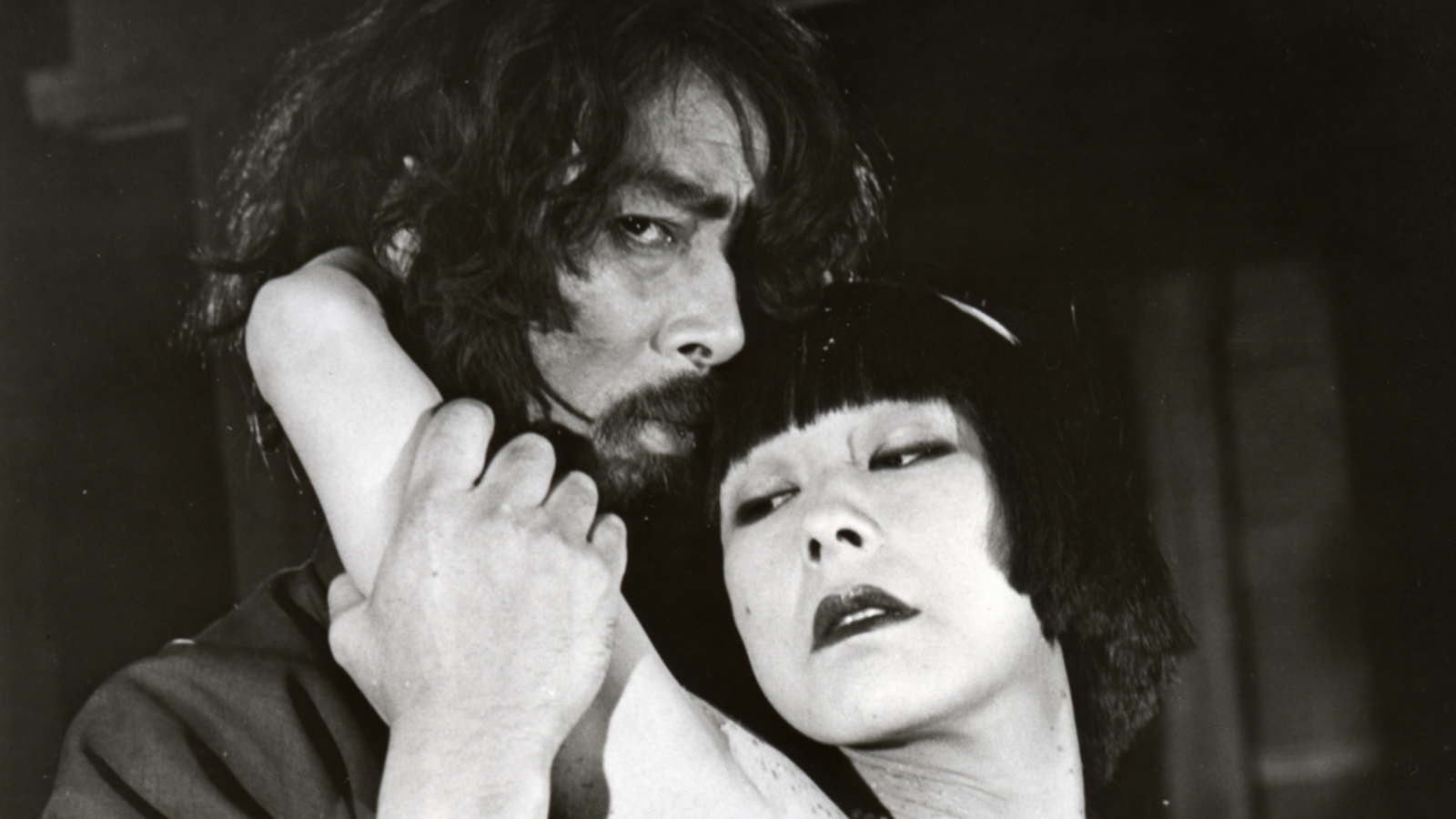
Named the best film of the 1980s in a poll of Japanese film critics, Zigeunerweisen takes its title from a violin recording by Pablo de Sarasate. The piece haunts the film’s two main characters: Aochi, an uptight professor at a military academy, and his erstwhile colleague Nakasago, now a wild-haired wanderer and possible murderer.
The movie’s plot is a metaphysical ghost story involving love triangles, doppelgängers, and a blurred line between the worlds of the living and the dead. “Underlying the teasing riddles,” writes film critic Tony Rayns, “is an aching lament for the sumptuous hybrid culture of the 1920s that was swept away by the militarism of the 1930s.”
About Acropolis Cinema:
Acropolis Cinema is a nonprofit screening series bringing classic and contemporary experimental, international, and undistributed films to screens across Los Angeles. Follow Acropolis on Instagram and X and sign up for their mailing list at www.acropoliscinema.com.